ONDO STRENGTHENS CAMPAIGN AGAINST GENDER-BASED VIOLENCE AS VAPP LAW, SToP GUIDELINES RECEIVE FRESH PUBLIC ENLIGHTENMENT
Stakeholders Demand Accountability for Child Abusers, Advocate Sexual Assault Referral Centres and Stronger Protection for Women and Vulnerable Groups
The Ondo State Government has intensified efforts to strengthen the protection of women, children and other vulnerable groups through renewed public enlightenment on the Violence Against Persons (Prohibition) Law (VAPP) and the Safe Termination of Pregnancy (SToP) guidelines. The initiative is aimed at promoting healthy living, safeguarding human dignity, preventing gender-based violence and ensuring that vulnerable members of society enjoy adequate protection and access to appropriate healthcare services.
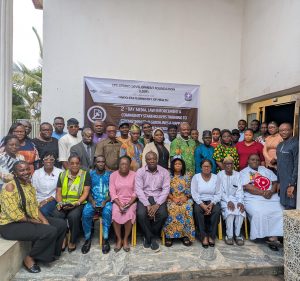
The renewed advocacy formed the focus of a two-day stakeholders’ training programme held in Akure from Tuesday to Wednesday, organised by the Ondo State Ministry of Health in collaboration with LifeSpring Development Foundation.
The programme brought together religious leaders, including pastors and imams, community leaders, government officials, security agencies, the Nigeria Police, Nigeria Security and Civil Defence Corps, vigilante groups and media practitioners, including representatives of faith-based and new media platforms. Participants engaged in robust deliberations on eliminating stigma, addressing abuse and promoting collective responsibility towards the safety and well-being of women and children.
Speaking at the programme, the Director of Family Health, Ondo State Ministry of Health, Dr Gbadebo-Aina Olubukola, emphasised the urgent need for stakeholders to strengthen the implementation of the VAPP Law and SToP guidelines across the state. She explained that the training was designed to equip participants with the necessary knowledge to educate families and communities on child protection, the dangers of abuse, available legal safeguards and the consequences awaiting perpetrators.
Dr Olubukola expressed concern over disturbing cases of abuse occurring within families and religious institutions, observing that some psychological, emotional and marital challenges experienced in adulthood could be traced to traumatic childhood experiences. She stressed that children who suffer abuse, particularly during their formative and teenage years, often carry the emotional consequences into adulthood, with adverse effects on their relationships, marriages and general well-being. She therefore urged parents and guardians to remain vigilant and take their responsibility for protecting children seriously.
She particularly cautioned parents, religious institutions and community leaders against shielding perpetrators of child abuse because of their social standing, financial influence, religious positions or political connections. According to her, the responsibility of every adult is to protect children rather than expose them to exploitation or conceal wrongdoing. She called on religious leaders to uphold accountability and ensure that victims receive the necessary protection and support, stressing that no institution or individual should be allowed to provide a hiding place for perpetrators.
In his remarks, the Country Director of LifeSpring Development Foundation, Dr David Ebhodaghe, represented by Dr Ojukwu Mark Ojukwu, called on the Ondo State Government to establish Sexual Assault Referral Centres (SARCs) across the state to provide comprehensive and coordinated assistance to survivors of gender-based violence. He also advocated stronger institutional support for the implementation of the VAPP Law, explaining that the training was organised to sensitise journalists, security personnel, religious leaders and community stakeholders on ethical reporting of gender-based violence and the proper understanding of the state’s SToP guidelines. He clarified that the guidelines, domesticated by the state government with support from the Federal Ministry of Health and development partners, are to be implemented in approved health facilities by certified medical doctors.
Dr Ebhodaghe further highlighted the importance of the initiative in reducing maternal mortality and morbidity, particularly in Ese-Odo, Irele and Okitipupa Local Government Areas, which were identified as areas experiencing significant maternal and child health challenges. He advocated the establishment of SARCs as comprehensive support centres where survivors could access medical attention, counselling, temporary shelter and other essential services. He also called for adequately funded special courts and trained judicial personnel to facilitate the speedy prosecution of gender-based violence cases.
Also speaking, the Chairman of the Ondo State Council of the Nigeria Union of Journalists (NUJ), Prince Leke Adegbite, charged media practitioners to take the lead in creating public awareness about the VAPP Law and its provisions. He observed that many residents remained unaware of their rights and the legal protections available to them, urging journalists and media organisations to give the subject sustained attention through responsible reporting, public enlightenment and community engagement. He commended the organisers for bringing critical stakeholders together to deepen understanding and strengthen public awareness.
Similarly, the Lead Consultant of FIBODAIRE Development Consultants, Mrs Foluke Omoworare, called for the establishment of government-owned Sexual Assault Referral Centres and a strengthened data management system to support effective implementation of the VAPP Law. She advocated a coordinated, multisectoral approach involving government ministries, departments and agencies, healthcare professionals, security agencies, the media and community institutions. According to her, the passage of the VAPP Law is an important step, but its effectiveness depends largely on the commitment of institutions and citizens to ensure that its provisions translate into practical protection for victims.
Mrs Omoworare further identified accurate, reliable and real-time data on gender-based violence as essential to understanding the magnitude of the problem and developing appropriate interventions. She urged the Ondo State Agency Against Gender-Based Violence to explore government funding and international development support to strengthen data collection and management. The training ended with a renewed call for collective action, greater institutional accountability and sustained public enlightenment, with stakeholders emphasising that protecting women, children and other vulnerable persons must remain a shared responsibility of government, families, religious institutions, communities and the media.